Healthy soil is the foundation of productive farming. Over time, many soils become acidic due to continuous cropping, rainfall, and fertilizer use. When soil acidity increases, crops struggle to absorb the nutrients they need, leading to lower yields and reduced profitability.
Agricultural lime is one of the most effective and economical ways to improve soil health and restore productivity.
What Is Agricultural Lime?
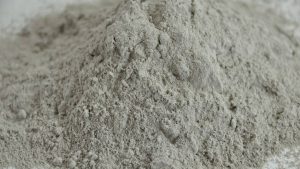
Agricultural lime is a natural soil amendment made from finely crushed limestone. It is primarily used to neutralize acidic soils by raising the soil’s pH to a level where crops can grow more efficiently.
By correcting soil acidity, agricultural lime creates a healthier environment for plant roots and beneficial soil microorganisms.
Why Is Soil pH Important?
Soil pH determines how easily plants can absorb essential nutrients such as nitrogen, phosphorus, potassium, calcium, and magnesium.
When soil becomes too acidic:
- Nutrients become less available to crops.
- Root development is restricted.
- Fertilizer efficiency decreases.
- Crop yields may decline significantly.
Maintaining the correct soil pH allows plants to make better use of nutrients already present in the soil.
Benefits of Agricultural Lime
Applying agricultural lime offers several important benefits:
- Improves soil fertility.
- Increases nutrient availability.
- Enhances fertilizer efficiency.
- Promotes stronger root development.
- Encourages beneficial microbial activity.
- Improves crop growth and overall yields.
- Helps maintain long-term soil health.
For many farmers, liming is an investment that continues to provide benefits for several growing seasons.
Types of Agricultural Lime
Different soils require different lime products. Common types include:
Calcitic Lime
Calcitic lime is rich in calcium carbonate and is ideal for correcting acidic soils that require additional calcium.
Dolomitic Lime
Dolomitic lime contains both calcium and magnesium carbonate. It is recommended for soils that are deficient in magnesium while also requiring pH correction.
Liquid Lime
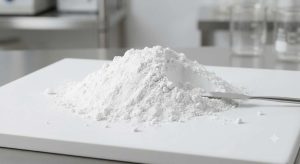
Liquid lime offers a fast and convenient method of application. It can be used where rapid pH adjustment is desired or in farming systems that benefit from liquid application methods.
When Should Lime Be Applied?
The best time to apply agricultural lime is before planting, allowing sufficient time for it to react with the soil. However, lime can also be applied during crop rotations or according to recommendations from soil analysis.
A soil test is the most reliable way to determine whether lime is needed and how much should be applied.
Which Crops Benefit from Lime?
Many crops perform better in properly balanced soils, including:
- Maize
- Wheat
- Soybeans
- Tobacco
- Groundnuts
- Sugar beans
- Vegetables
- Pasture grasses
- Fruit orchards
The exact lime requirement varies depending on soil conditions and crop type.
Choosing the Right Lime Product
Selecting the correct agricultural lime depends on factors such as:
- Soil pH
- Soil texture
- Calcium and magnesium levels
- Crop requirements
- Application method
Professional guidance and soil testing can help ensure the right product is selected for maximum effectiveness.
Minechem’s Agricultural Lime Solutions
Minechem supplies high-quality agricultural lime products to support farmers and agribusinesses across Zimbabwe.
Our range includes:
- Agricultural Lime
- Calcitic Lime
- Dolomitic Lime
- Liquid Lime
With a reliable supply network, technical expertise, and a commitment to sustainable agriculture, Minechem helps farmers improve soil health, increase productivity, and achieve long-term farming success.
Need Help Choosing the Right Lime?
If you’re unsure which lime product is best for your farm, the Minechem team is ready to assist. Contact us for expert advice and learn how the right soil management practices can improve your agricultural productivity.